
Why Title Insurance Is One of the Most Important Parts of Buying a Home
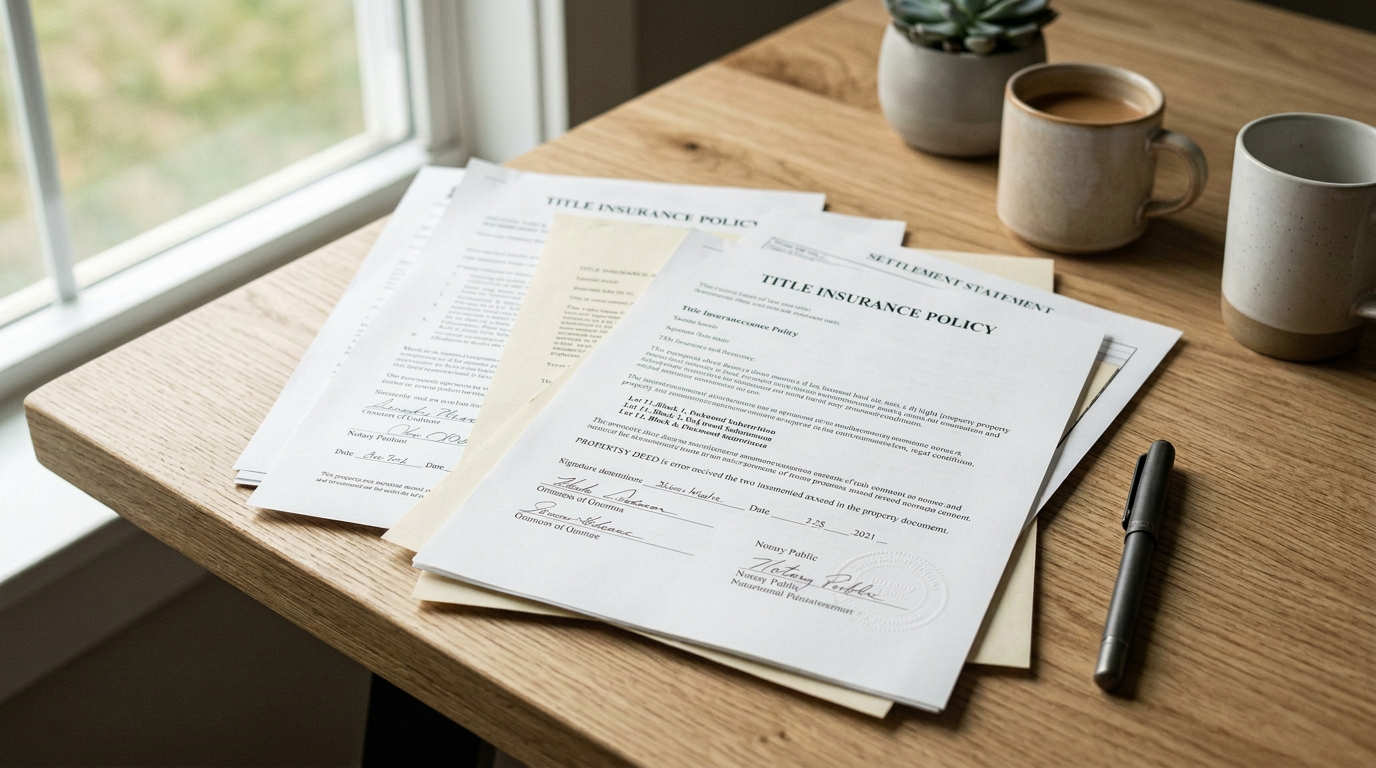
When you're buying a home, you probably think about the things you can see.
The kitchen.
The bathrooms.
The flooring.
The backyard.
The neighborhood.
But there's another part of the property you can't see and it can be just as important: the title.
Title insurance helps protect against certain covered problems with ownership of your property.
While it may not be the most exciting part of buying a home, title insurance can provide important protection for one of the largest investments you will make.
What Is Title?
"Title" refers to your legal ownership rights in a property.
When you purchase a home, you want to know that the seller has the legal right to transfer ownership to you.
You also want to know whether anyone else has claims or interests that could affect your ownership.
That's where the title examination comes in.
What Is a Title Search?
Before closing, the title company examines public records to identify potential issues affecting the property.
The search may uncover:
Prior mortgages
Liens
Judgments
Unpaid taxes
Easements
Ownership issues
Recording errors
Claims against the property
Other matters affecting title
The goal is to identify and resolve problems before the transaction closes.
But even a thorough title search cannot guarantee that every possible problem will be discovered.
That's where title insurance comes in.
What Does Title Insurance Protect You From?
An owner's title insurance policy may protect you against certain covered losses resulting from title defects or claims.
Depending on the policy, covered risks can include issues such as:
Fraud
Forged documents
Undisclosed heirs
Recording errors
Undisclosed liens
Certain ownership claims
Errors in public records
Other covered title defects
Coverage depends on the specific policy, exclusions, exceptions, and terms.
That's why it's important to actually understand the policy you're purchasing.
Why Isn't a Title Search Enough?
You might think:
"If the title company searches the records, why do I need insurance?"
Because some problems may not be discoverable through a standard title search.
For example, there could be an issue involving an undisclosed heir or fraudulent document that isn't obvious from the public records reviewed before closing.
Title insurance provides another layer of protection against certain covered risks.
What Is Lender's Title Insurance?
If you're financing your home, your mortgage lender will generally require a lender's title insurance policy.
This policy protects the lender's financial interest in the property.
But here's the important part:
Lender's title insurance protects the lender—not you.
If you want protection for your own ownership interest, you should understand whether an owner's title insurance policy is being issued.
How Long Does Title Insurance Last?
Unlike many types of insurance that require annual premiums, a typical owner's title insurance policy involves a one-time premium paid in connection with the transaction.
The policy generally remains in effect for as long as the insured owner retains the interest in the property, subject to the terms and conditions of the policy.
Is Title Insurance Required?
A lender may require lender's title insurance as a condition of the mortgage.
Owner's title insurance is different.
Whether you purchase an owner's policy is generally a separate decision.
Some buyers choose to decline owner's coverage because they want to reduce their upfront costs.
But before making that decision, understand what you are giving up.
What Happens If a Title Problem Appears After Closing?
Suppose you purchase your home and later discover a covered title issue.
If you have an owner's title insurance policy, you may be able to submit a claim under the policy.
The title insurer may then provide coverage or take other action according to the terms of the policy.
Without owner's title insurance, you may have to bear the financial consequences yourself.
Title Insurance Is About Protecting Your Investment
Imagine spending hundreds of thousands of dollars on a home only to discover that someone else claims an ownership interest in the property.
That's why title insurance matters.
You're not simply protecting a piece of paper.
You're helping protect your legal ownership interest in one of your largest investments.
What Should You Ask Before Closing?
Before purchasing a home, consider asking:
Is an owner's title insurance policy being issued?
What does the policy cover?
What are the exclusions?
What exceptions are listed?
Are there unresolved title issues?
Who is handling the title search?
Who is handling the closing?
Are there liens or judgments that need to be resolved?
What title-related costs will I pay at closing?
Don't be afraid to ask questions.
You should understand what you're paying for and what protection you're receiving.
The Bottom Line
Buying a home is about more than getting the keys.
You want to know that the property you're purchasing can legally be transferred to you and that your ownership is protected against covered title risks.
A proper title search, careful closing process, and appropriate title insurance coverage can help protect your investment.
Buying a home in Florida? Our real estate and title team can help you navigate the title and closing process and understand the protection available to you. Contact our office to learn more.
This article is for informational purposes only and does not constitute legal or title insurance advice. Coverage varies by policy, and you should review the actual title insurance policy and consult with an attorney regarding your specific circumstances.